Hand-painted in oil
About this Artwork
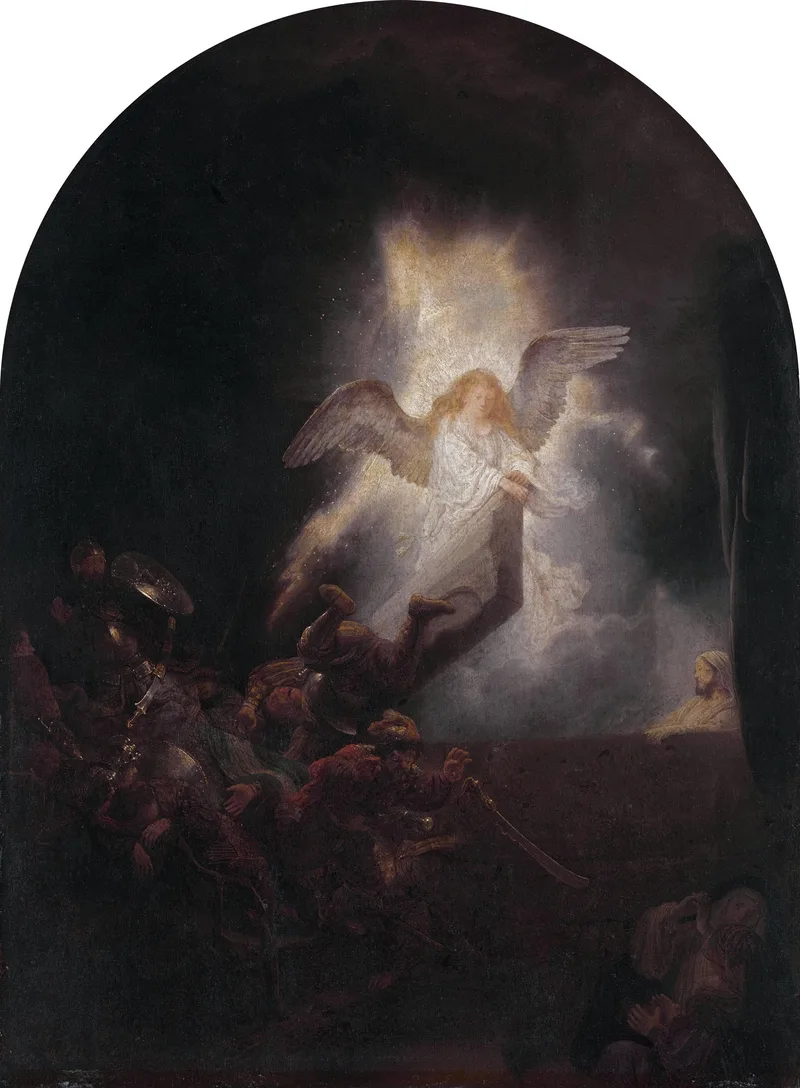
The Resurrection
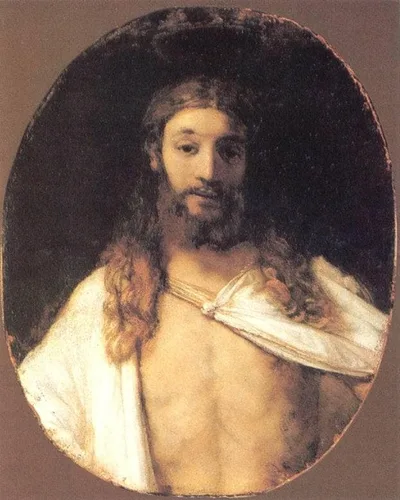
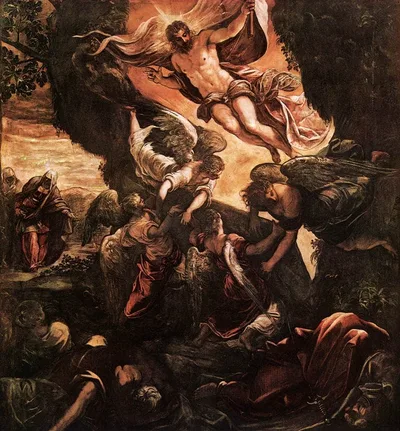
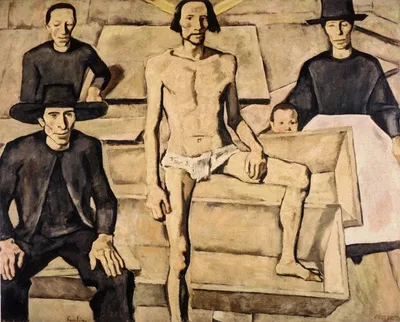
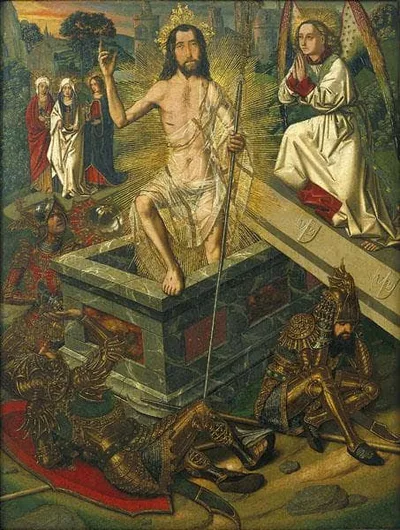
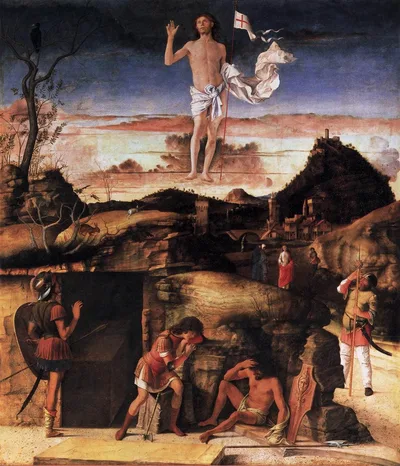
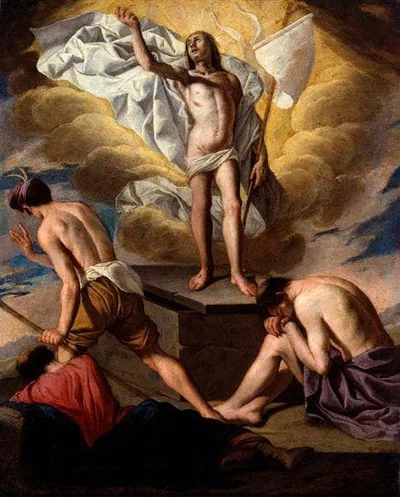
No gospel describes the moment of rising. The texts give the sealed tomb, the guard, the earthquake in one account, and then the empty tomb found at dawn. The scene painting calls the Resurrection is therefore a construction: it shows what the narrative skips, generally as a figure emerging above a broken tomb with soldiers thrown into disorder below.
Its place in the cycle
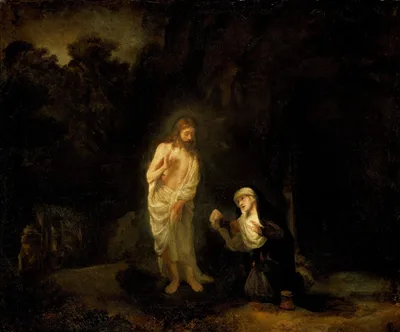
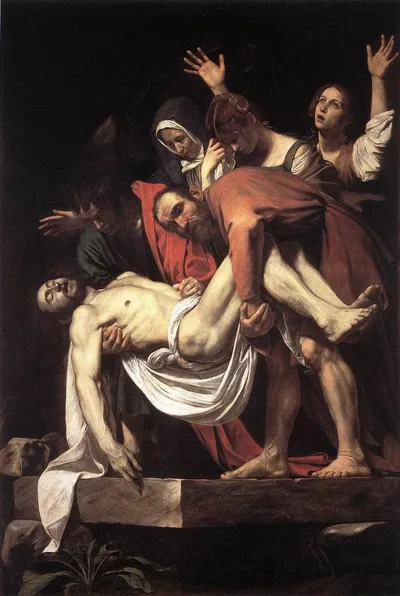
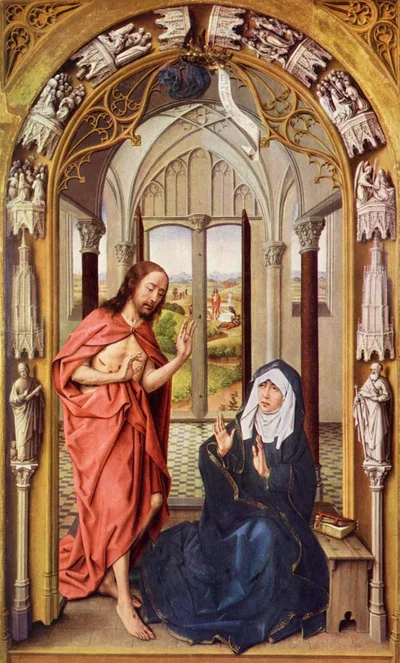
The hinge between the Passion and everything after. The entombment closes the sorrowful sequence; from this point the cycle runs through the appearances — to Mary Magdalene in the garden, to the disciples at Emmaus, to the eleven — and ends at the Ascension.
What the record holds
The catalogue gives Rembrandt, 1639, and the Bavarian State Painting Collections, Munich. It measures 94 by 67 centimetres, upright and modest in scale for a subject usually given altar dimensions. The style is classed both as Baroque and as tenebrism, and the artist as Dutch. The measured palette is recorded as neutral — the reading returned by a picture built on a narrow light in a dark field. The record carries no provenance note.
Sources
1 references- Lockwood, Rembrandt — Getty ULAN
American painter, 1815-1889