The Gospel Cycle
The Gospel Cycle, in Order
The life of Christ was painted as a sequence, not as a set of separate pictures. A predella runs left to right, a fresco cycle runs around the walls, a carved altarpiece opens in a fixed order — and each panel assumes you have just seen the one before it. Sorting these works alphabetically or by artist destroys the only structure they were given. This index keeps the narrative order, from the stable to the empty tomb, so that the episodes sit in the sequence the painters expected their viewers already to know.
The Cycle · 1 of 5
The Nativity and the Infancy
The stable, the shepherds, the magi and the flight into Egypt — and the Madonna and Child that grew out of them.
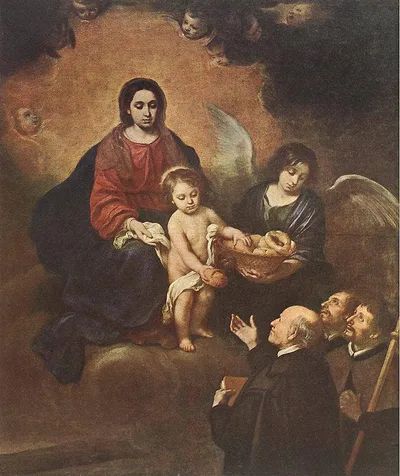
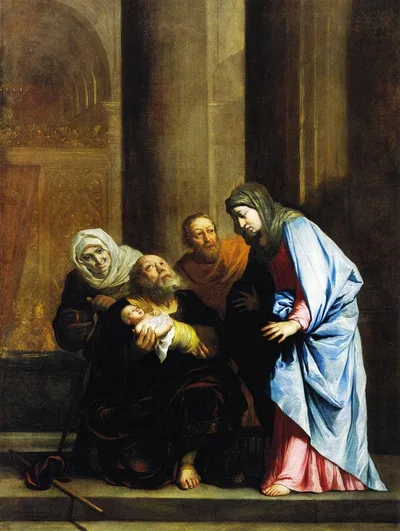
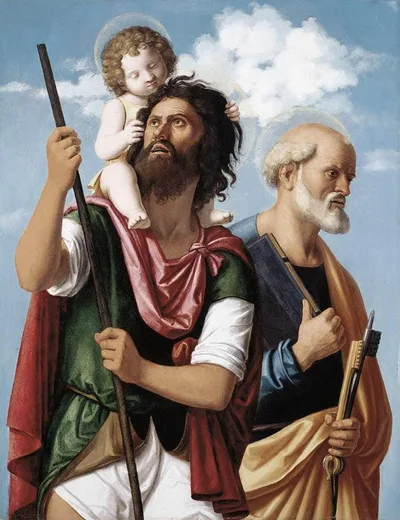
The infancy cycle covers the stable, the shepherds, the three kings, the circumcision and the flight into Egypt. Out of it grew the single most repeated composition in Western art — the Madonna and Child, lifted out of the narrative and set on its own as a devotional image. That is why this group holds two things at once: the episodes of the story, and the icon the story produced and then outlived.
The Cycle · 2 of 5
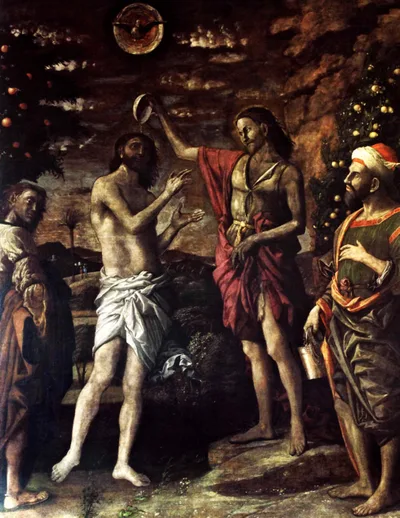
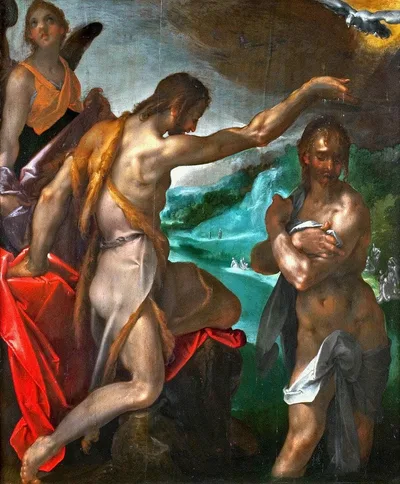
The Baptism and the Ministry
The Jordan, the wilderness, the wedding at Cana and the supper table: the public years between childhood and arrest.
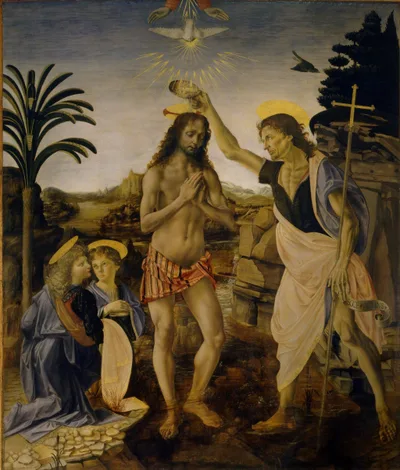
Between the infancy and the Passion sit the baptism in the Jordan, the calling of the disciples, the miracles and the Transfiguration. Painters treated this stretch far more sparsely than the two ends of the story, and the pictures that do exist are often narrow in shape — they were predella panels, the small horizontal scenes running under a large altarpiece, where the whole ministry might be given four boxes.
The Cycle · 3 of 5
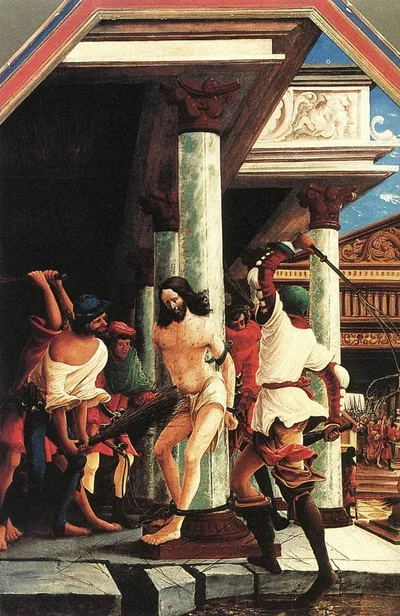
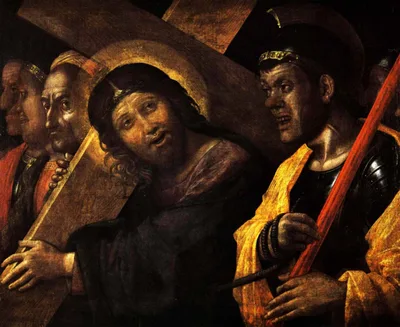
The Passion
Gethsemane to Golgotha: the agony, the betrayal, the scourging, the crown of thorns and the road to Calvary.
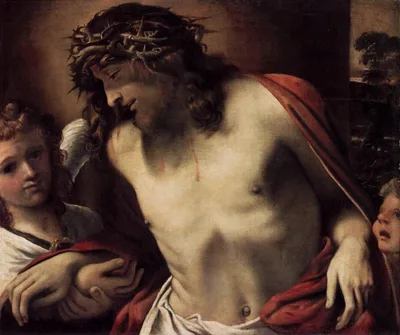
The Passion begins at the entry into Jerusalem and runs through the Last Supper, the garden, the arrest, the trial and the mocking. It is the section of the story that was designed to be walked past rather than looked at once: these are the scenes that became the Stations of the Cross, and their compositions carry that use — figures close to the picture plane, few distractions, one clear action per panel.
The Cycle · 4 of 5
The Crucifixion
The cross itself and what follows it: the descent, the lamentation, the Pieta and the entombment.
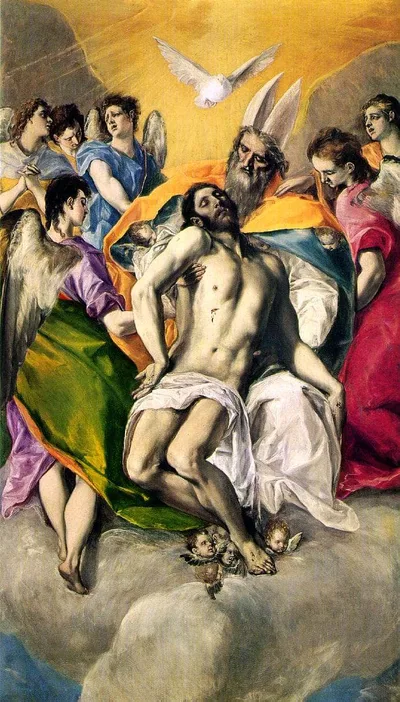
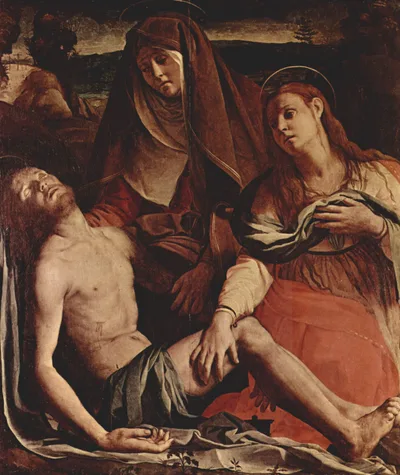
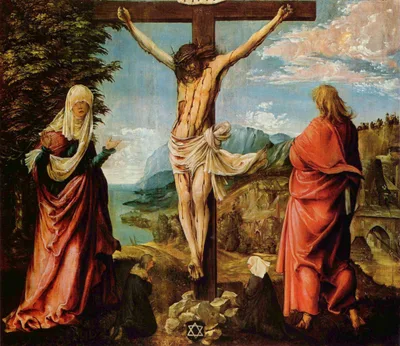
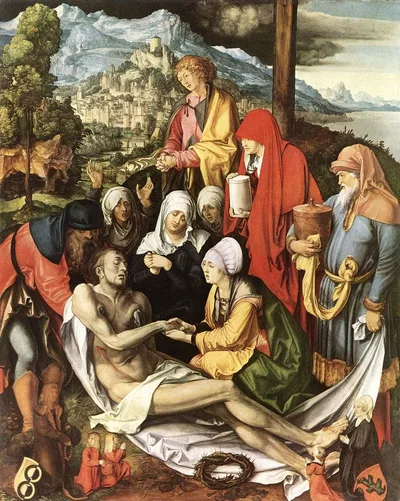
The Crucifixion is the fixed centre of the cycle and the most codified image in the tradition. The cross is placed off the ground with Mary and John at its foot; the Magdalen kneels; the sky darkens; the skull of Adam sometimes lies at the base. The Deposition, the Lamentation and the Pieta are the same event a few minutes later, and painters treated them as separate subjects with their own conventions.
The Cycle · 5 of 5
The Resurrection
The empty tomb, Noli me tangere, the road to Emmaus, Thomas's hand and the ascension.
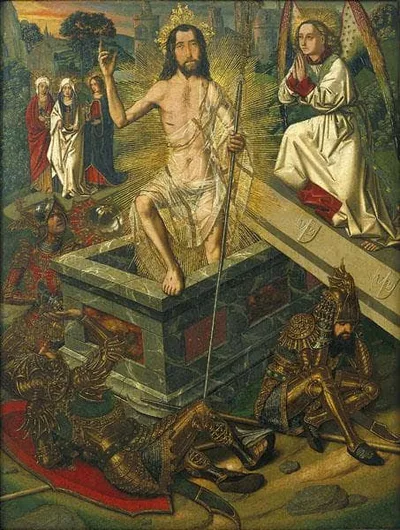
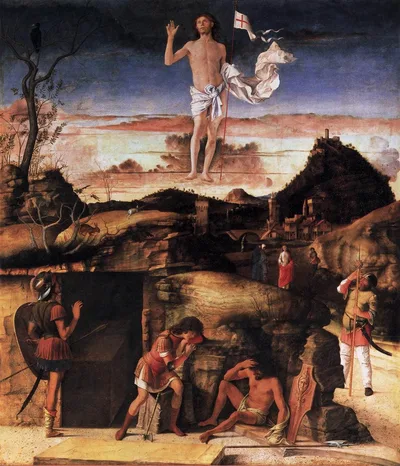
The last movement is the empty tomb, the Noli me tangere in the garden, the supper at Emmaus, the doubt of Thomas and the Ascension. These are recognition scenes, and painters staged them as such — the drama is in a face registering who it is looking at, which is why so many of them place the moment of recognition at the centre and let the setting fall away.