Hand-painted in oil
About this Artwork
The centre of the cycle
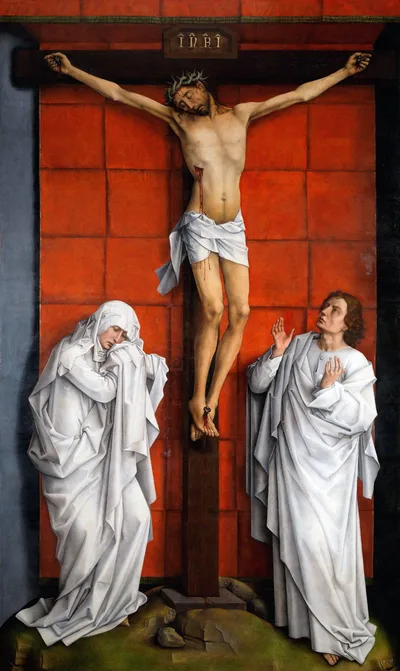
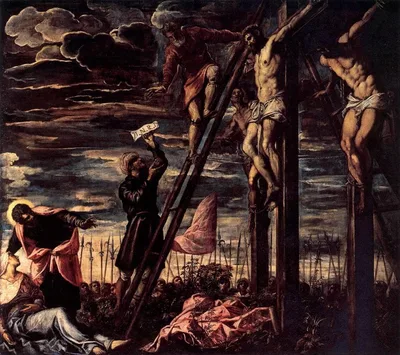
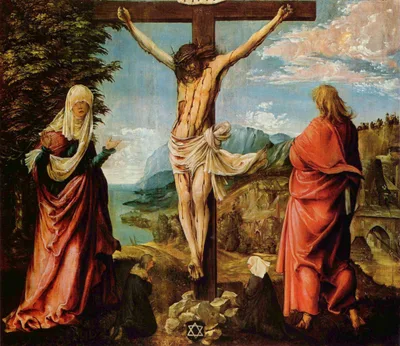
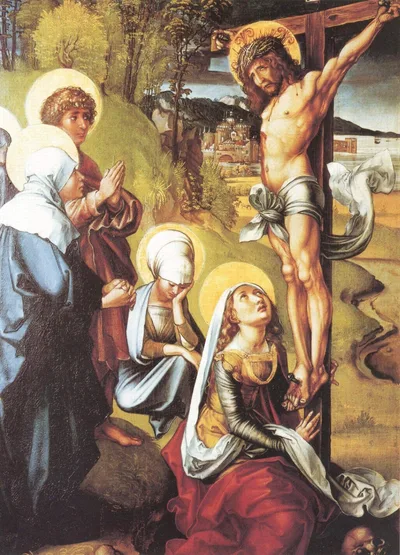
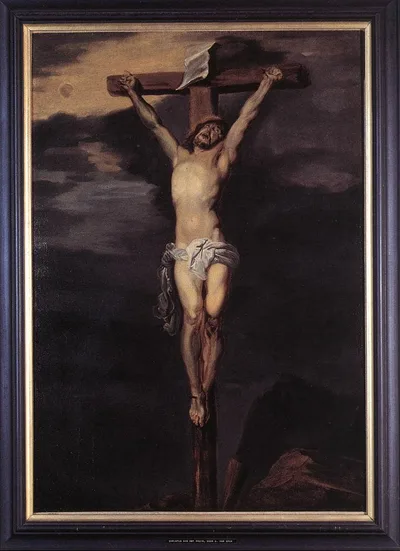
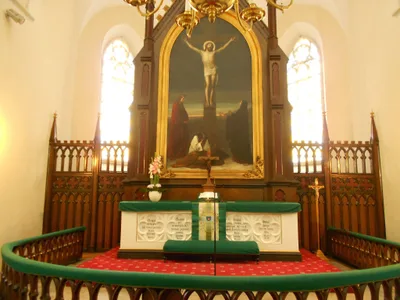
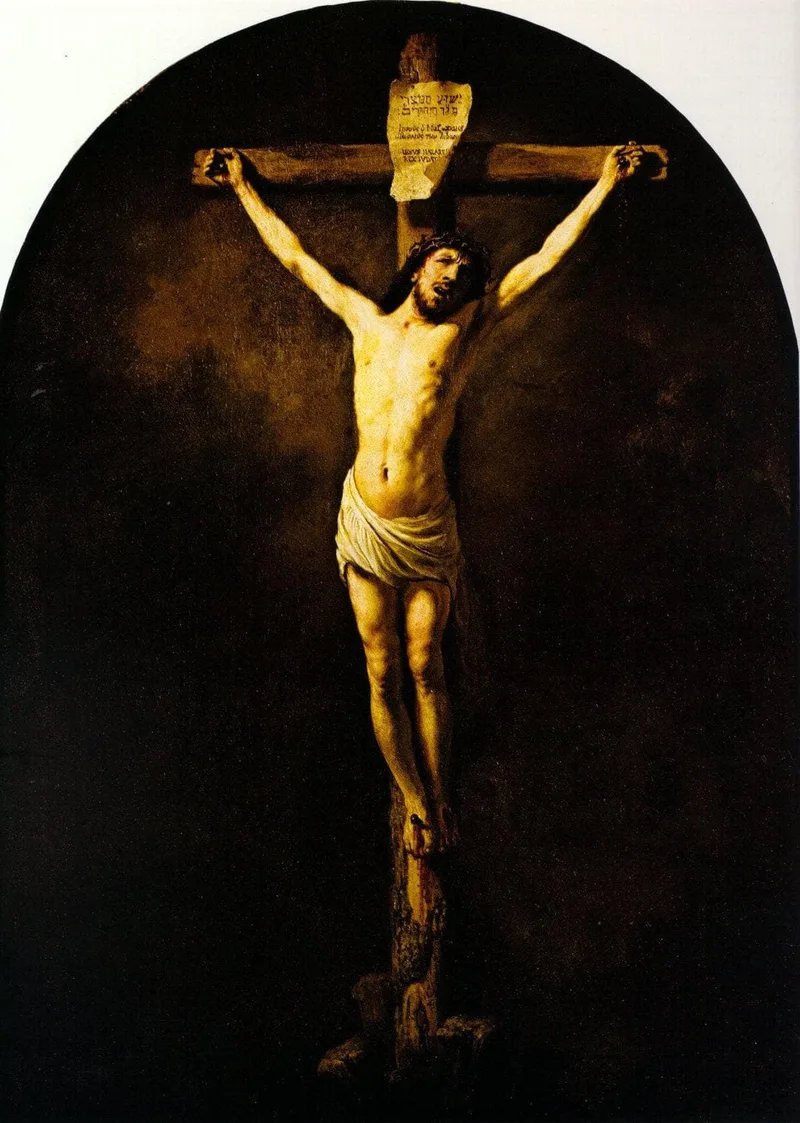
The Crucifixion is the one episode a life of Christ cannot omit or reorder. All four gospels give it, and between them supply the elements painting settled on: the inscription over the head, the two thieves, the soldiers casting lots, the mother and the beloved disciple below, the lance and the sponge. A title that names only the cross and the figure indicates the reduced form, in which the crowd is removed and the picture holds one body and one beam.
Where it falls
After the road to Calvary and before the deposition. Twenty-four titles in this catalogue name the crucifixion or place Christ on the cross, which makes it the most repeated episode in the collection.
The record
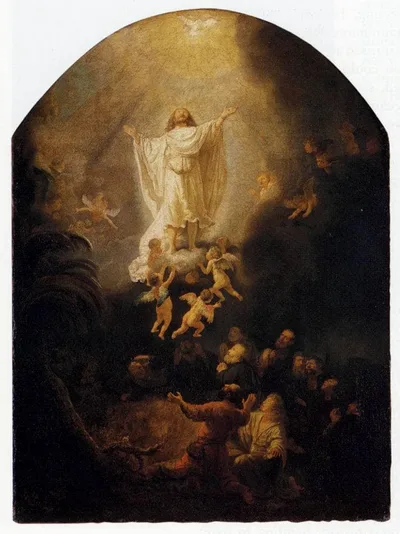
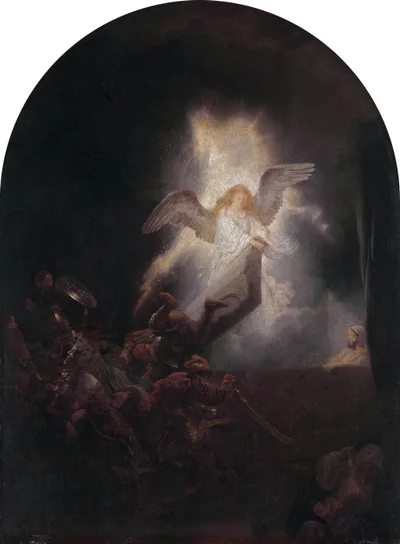
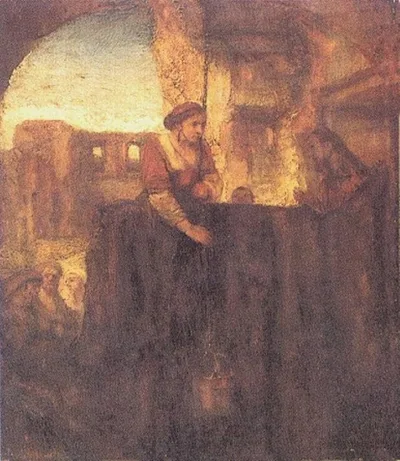
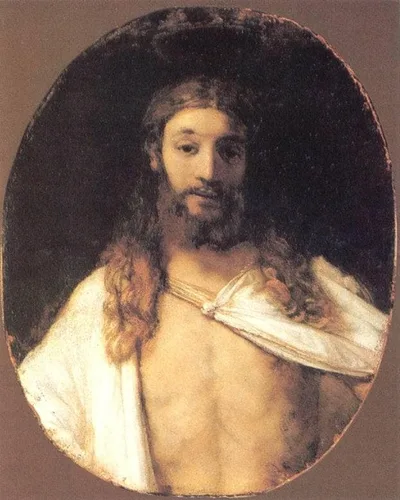
The catalogue names Rembrandt, dates the work to 1631, and gives the location as a private collection. It measures 73 by 100 centimetres. The style is entered both as Baroque and as tenebrism — the record's term for painting built on a dark field and a narrow light — and the artist as Dutch. The subject fields class the work as a male figure and as religious. The measured palette reads as brown. Ten works in this catalogue are attributed to Rembrandt, and this is among the earliest of them by recorded date.
Sources
2 references- Rembrandt — Wikipedia
Rembrandt Harmenszoon van Rijn (15 July 1606 – 4 October 1669), known mononymously as Rembrandt, was a Dutch Golden Age painter, printmaker, and draughtsman. He is generally considered one of the greatest visual artists in the history of We
- Rembrandt van Rijn — Getty ULAN
Dutch painter, printmaker, 1606-1669