Hand-painted in oil
About this Artwork
A parable, not an episode
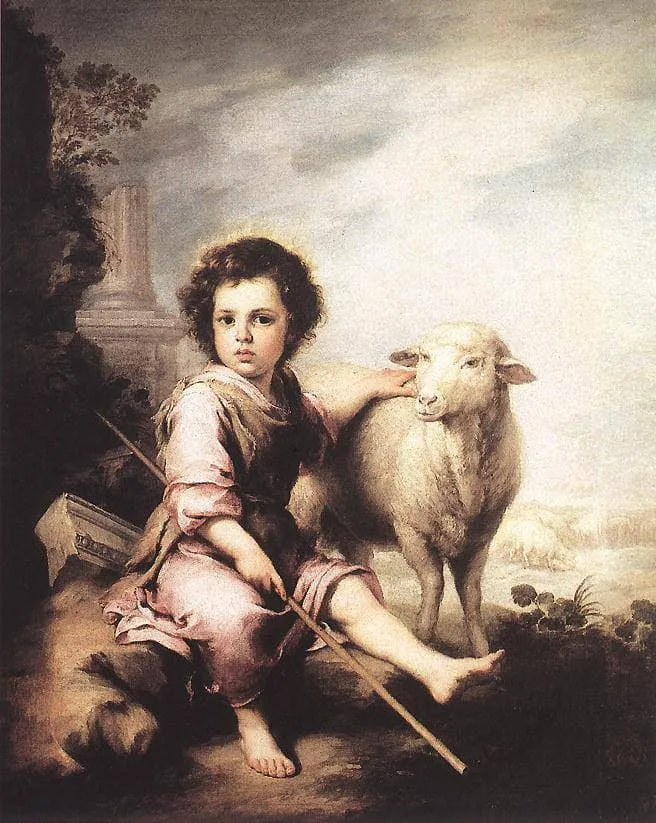
The Good Shepherd is a figure of speech before it is a picture. In the tenth chapter of John, Christ says he is the good shepherd who lays down his life for the sheep; Luke gives the parable of the one lost sheep out of a hundred. Neither is an event. Painting turned the metaphor into an image anyway, and the shepherd was among the very earliest Christian subjects, in use long before narrative cycles of the life of Christ were assembled.
Its place in the cycle
Outside it. There is no hour of the story at which this happens, which is why the type could be used as a devotional image and, in this catalogue, appears with animal-art classifications beside the religious ones — the record files it partly as a picture of sheep.
The record
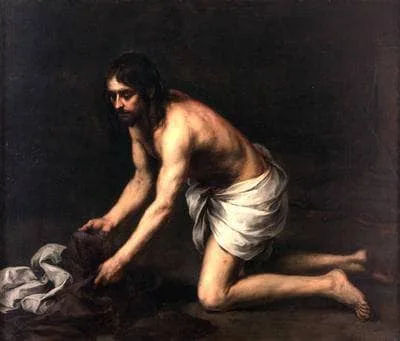
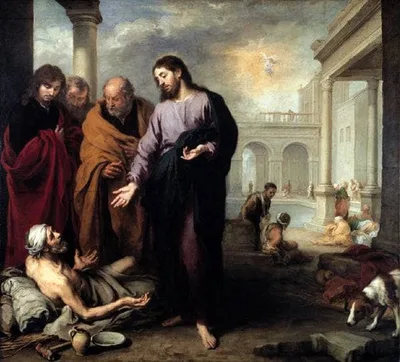
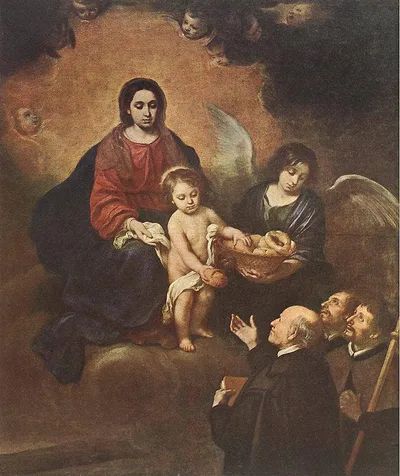
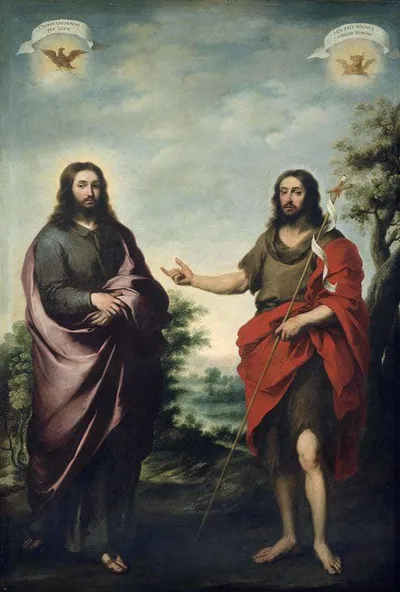
The catalogue names Bartolome Esteban Murillo and dates the work to 1660, with the Museo del Prado in Madrid as the location — one of eleven entries here in that collection. The dimensions field is present but empty, so no scale is claimed. The style is entered as Baroque and the artist as Spanish. The measured palette reads as ochre. No commission, patron, or earlier location appears in the entry.
Sources
1 references- Murillo, Bartolomé Estebán — Getty ULAN
Spanish painter and draftsman, 1618-1682