Hand-painted in oil
About this Artwork
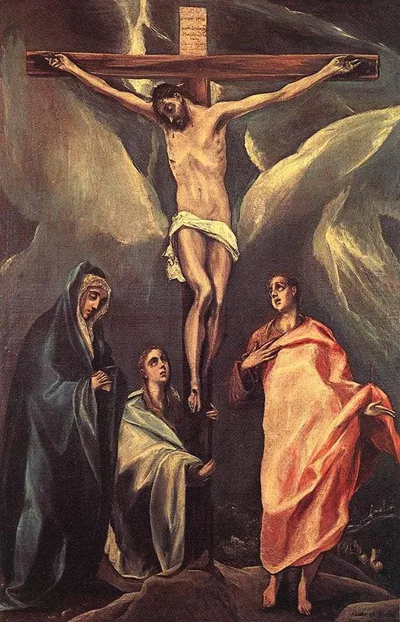
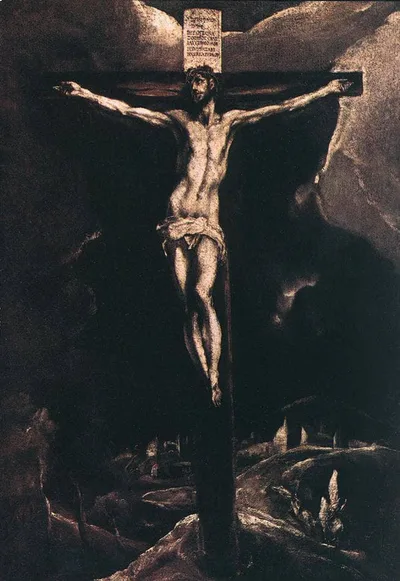
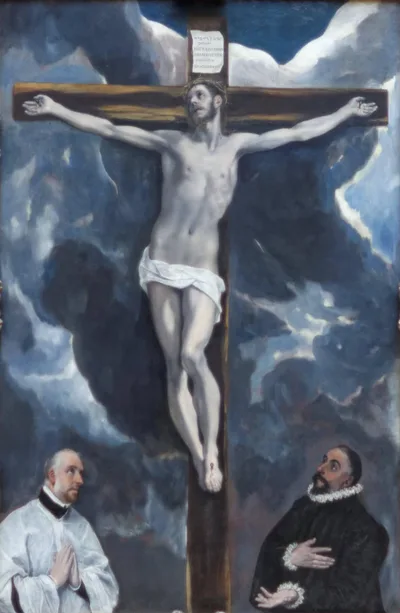
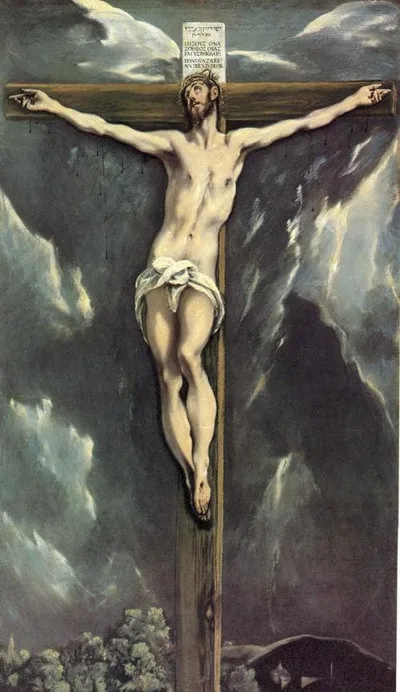
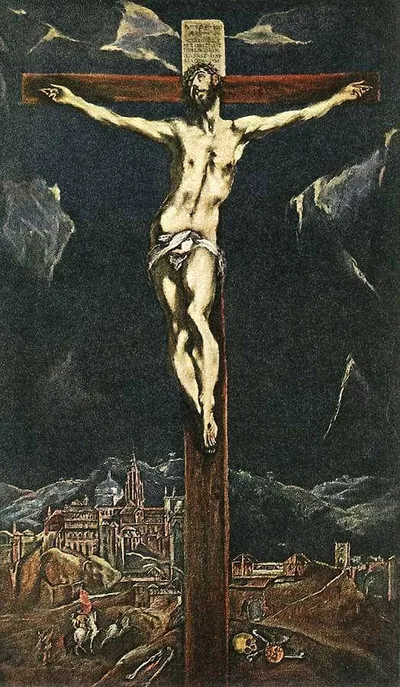
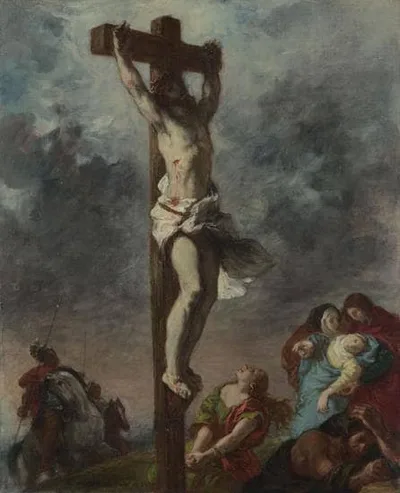
The Crucifixion
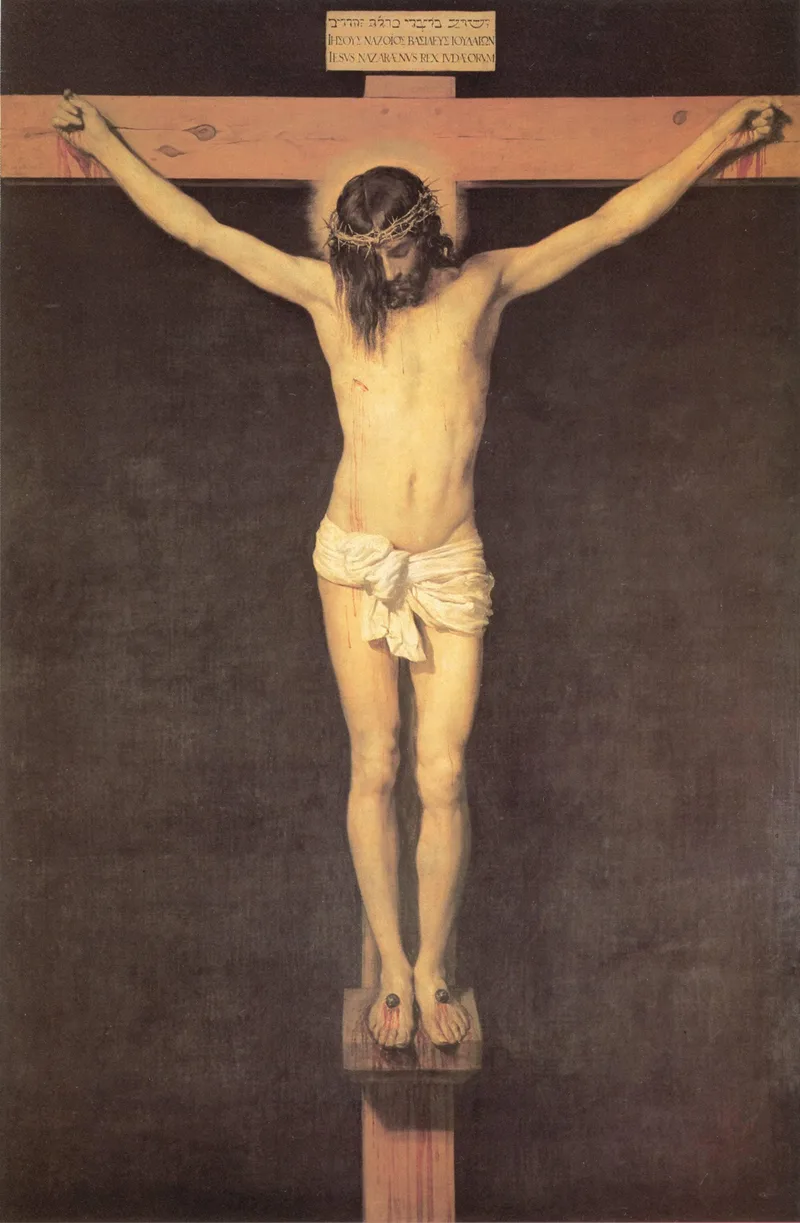
The centre of the cycle. All four gospels give the crucifixion at Golgotha, the inscription over the head, the two thieves, the darkness, and the words from the cross. Out of the full narrative scene painting also drew a reduced type — the cross alone against an empty ground, without mourners, soldiers, or city — made for prolonged looking rather than for reading a story.
Where it falls
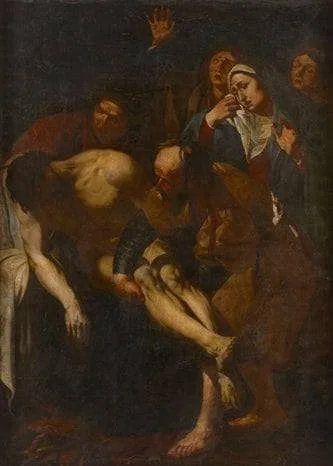
After the road to Calvary and before the deposition. It is the point the whole Passion has been moving toward since Gethsemane, and the point from which the closing scenes — the taking down, the lamentation, the burial — proceed in a fixed order.
The catalogue entry
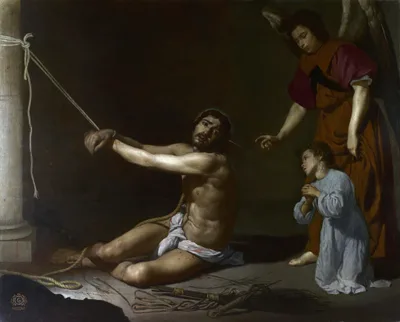
The record gives Diego Velazquez as the artist and 1632 as the date of creation, with the painting in the Museo del Prado, Madrid. The dimensions entered are 169 by 248 centimetres. The style is classed as Baroque and the artist as Spanish, and the subject fields file the work under religious cultural heritage without a portrait or group classification — which is what a record looks like for a single figure and no attending crowd. The measured palette reads as brown.
Sources
1 references- Velázquez, Diego — Getty ULAN
Spanish painter, 1599-1660