Hand-painted in oil
About this Artwork
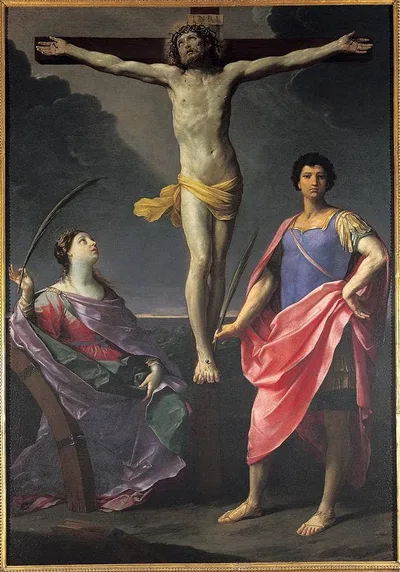
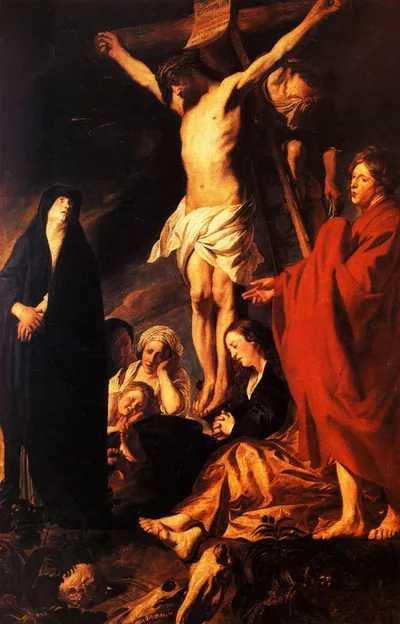
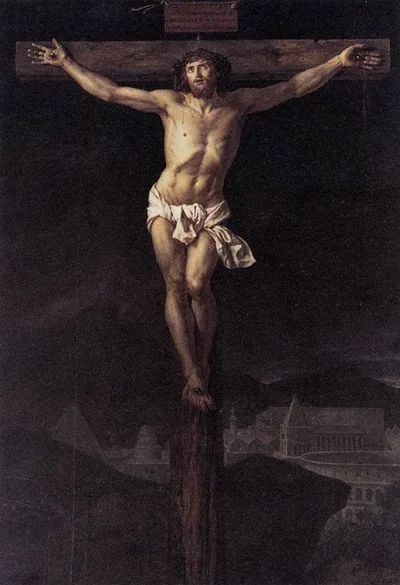
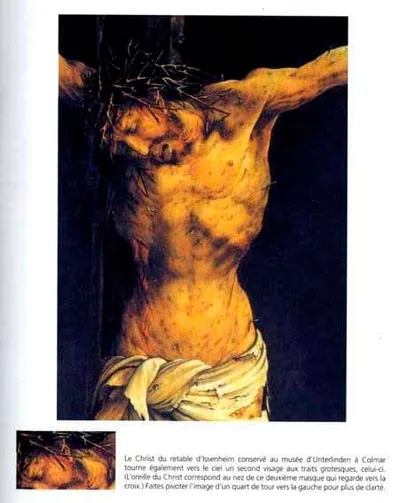
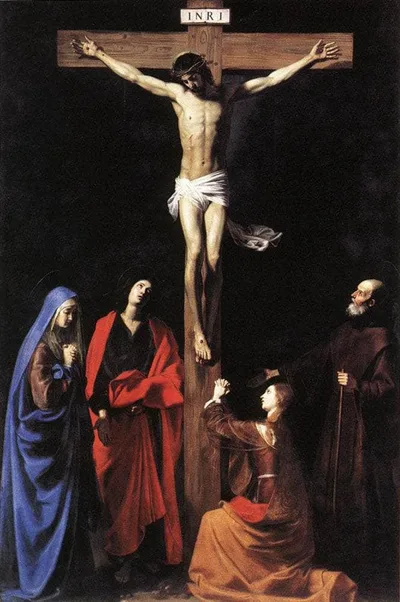
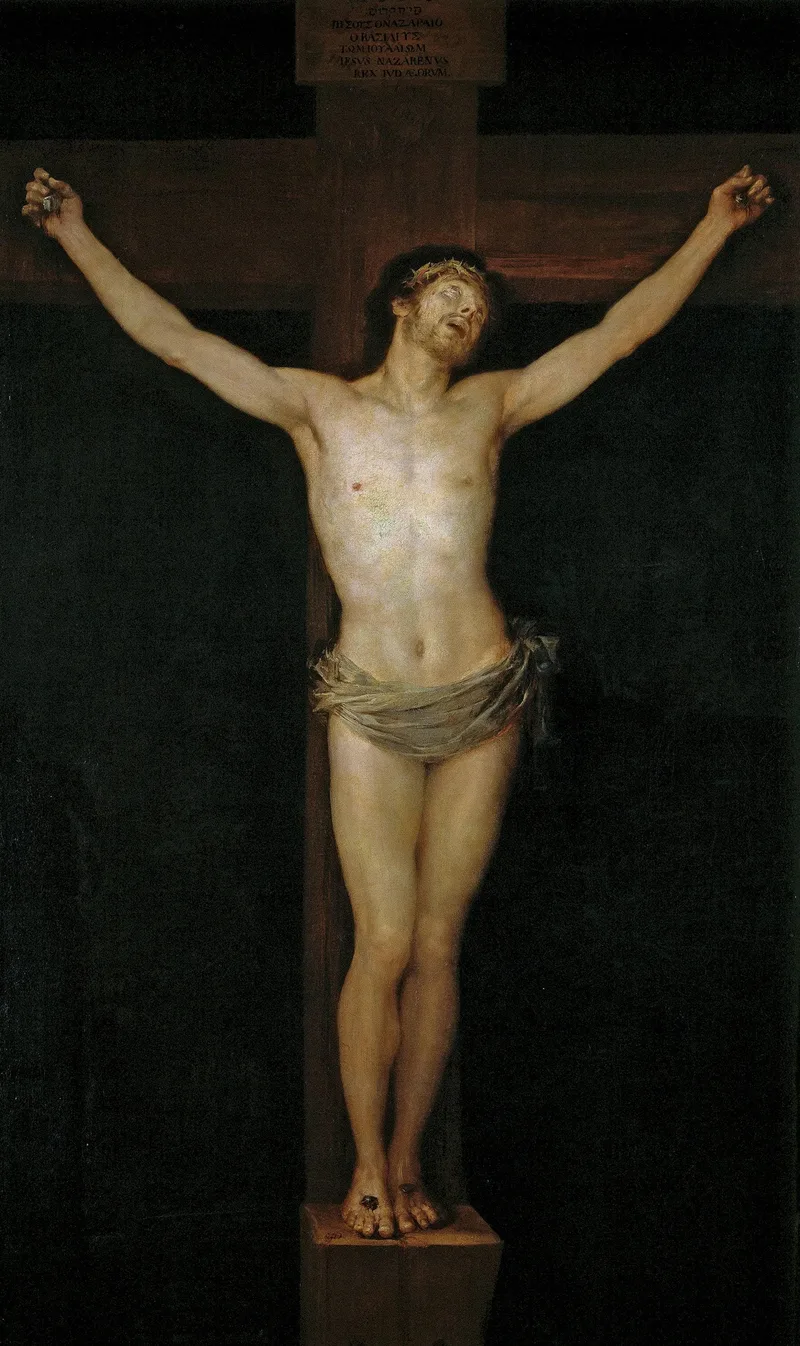
The Crucifixion, stripped to one figure
The gospel accounts of Calvary are crowded: two thieves, soldiers, the inscription, the mother and the disciple, the crowd, the centurion. A title naming only the crucified Christ marks the version that removes all of it. That reduction has a long history and a specific use — it makes the picture legible from a distance in a church and directs the viewer at one thing rather than at a narrative.
Where it falls
The centre of the Passion, between the road and the deposition. Twenty-four titles in this catalogue name the crucifixion or place Christ on the cross, more than for any other single episode, and they run from small private panels to canvases well over two metres.
The record
The catalogue names Francisco Goya, dates the work to 1780, and gives the Museo del Prado in Madrid. It measures 255 by 154 centimetres — a tall upright at over life size, at the large end of the range just described. The style is entered as Romanticism and the artist as Spanish; the subject fields class the work as religious. The measured palette reads as brown. The record says nothing about the circumstances of the commission or about when the canvas entered the Prado, and this page adds nothing.
Sources
1 references- Goya, Francisco de — Getty ULAN
Spanish painter, 1746-1828